

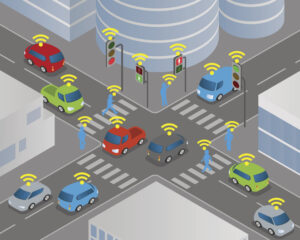
Smart crosswalks are becoming an important tool in improving pedestrian safety—especially in busy school zones, downtown areas, and high-traffic corridors. Unlike traditional crosswalks that rely only on painted lines
or flashing lights, smart crosswalks use advanced technology to detect pedestrians, alert drivers, and reduce the risk of accidents.
These systems often include features such as motion sensors, thermal cameras, LED-embedded pavement, and real-time warning signals that activate the moment someone enters the crosswalk. Some models even adjust brightness based on weather or time of day, making them easier for drivers to see at night or in heavy rain. Others communicate with approaching vehicles or city traffic systems to slow cars automatically or trigger additional safety measures.
Smart crosswalks are especially beneficial in areas with children, older pedestrians, or limited visibility. Early research has shown that they significantly reduce speeding, increase driver yielding, and improve pedestrian awareness.
As communities continue to see rises in pedestrian injuries, smart crosswalks offer a proactive, modern solution. They’re a smart investment in public safety—and a reminder that technology can help keep all road users safer.